Apple smart glasses: release date, features, what we know
/ Apple plans to unveil its first smart glasses at WWDC 2027, per Bloomberg. Here's the reported release date, features, iPhone app plans and what's uncertain.
by Hozefa Khety
· 7 min read
Apple's first smart glasses are getting closer, and the clearest picture yet of how they will work arrived this weekend. According to Bloomberg's Mark Gurman, writing in his Power On newsletter on Sunday, November 15, 2026, Apple plans to unveil the glasses at its WWDC developer conference in June 2027 and start shipping them before the end of 2027.
Apple has not announced the glasses and has not confirmed any of this. Everything below comes from Gurman's reporting, as summarised by MacRumors, iClarified and The Mac Observer, plus what Apple has officially released to developers this month. Here is what we know so far about the release date, the features, how they will work with your iPhone, and what is still uncertain. (Details checked 21:30 UTC, November 15, 2026.)
When will Apple's smart glasses come out?
The current plan, per Gurman, is an announcement at WWDC in June 2027, followed by shipments before the end of 2027. Apple usually holds WWDC in early June, though it has not set dates for the 2027 event yet.
There is a real catch. Gurman says much of the hardware is largely finalised, but the software and AI features are running behind. He wrote on X that both the WWDC reveal and the year-end ship date are "uncertain despite remaining in place as of today." In other words, a delay into 2028 is possible if Siri isn't ready. The Mac Observer also notes that earlier reports expected the glasses in late 2026 before Apple moved its plans to 2027.
What will Apple's smart glasses do?
Do not expect a screen in front of your eyes. Gurman reports the first model will not show augmented reality images in the lenses. Think of them more like Ray-Ban Meta glasses than a lightweight Vision Pro: cameras, microphones and speakers in a normal-looking frame, with Siri as the main way you use them. Gurman says Apple employees describe them as "AirPods for your face."
The reported features include:
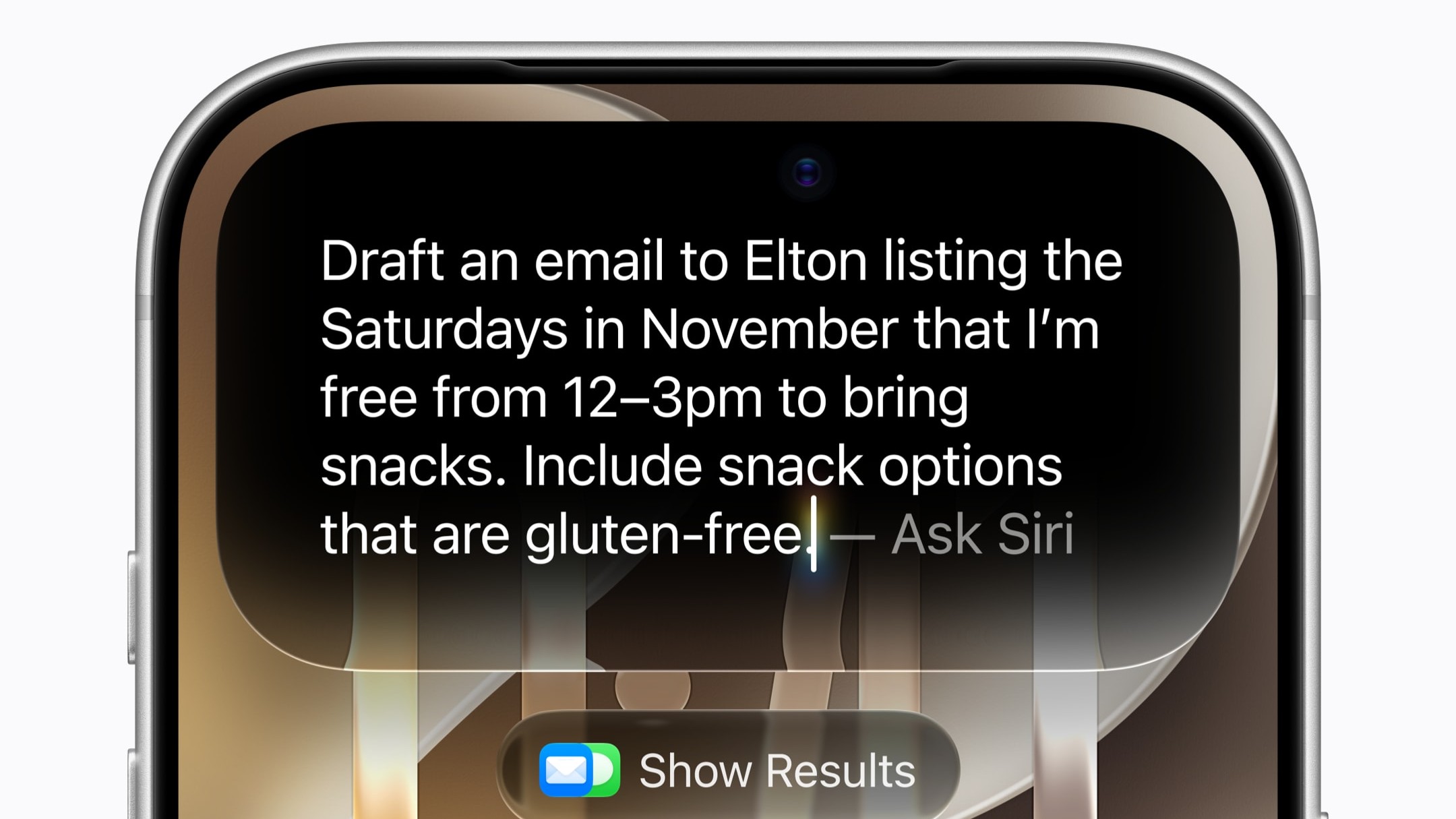
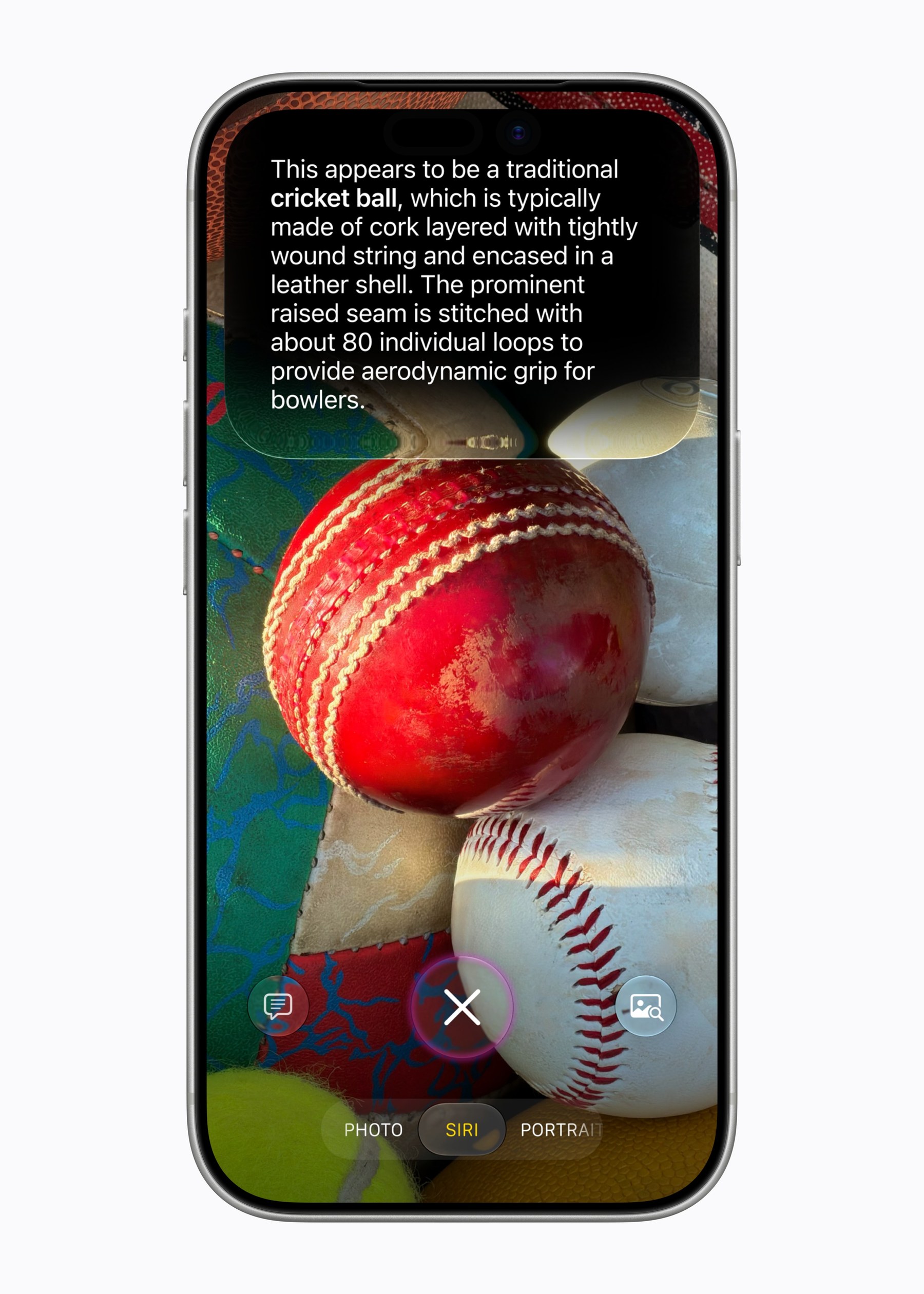
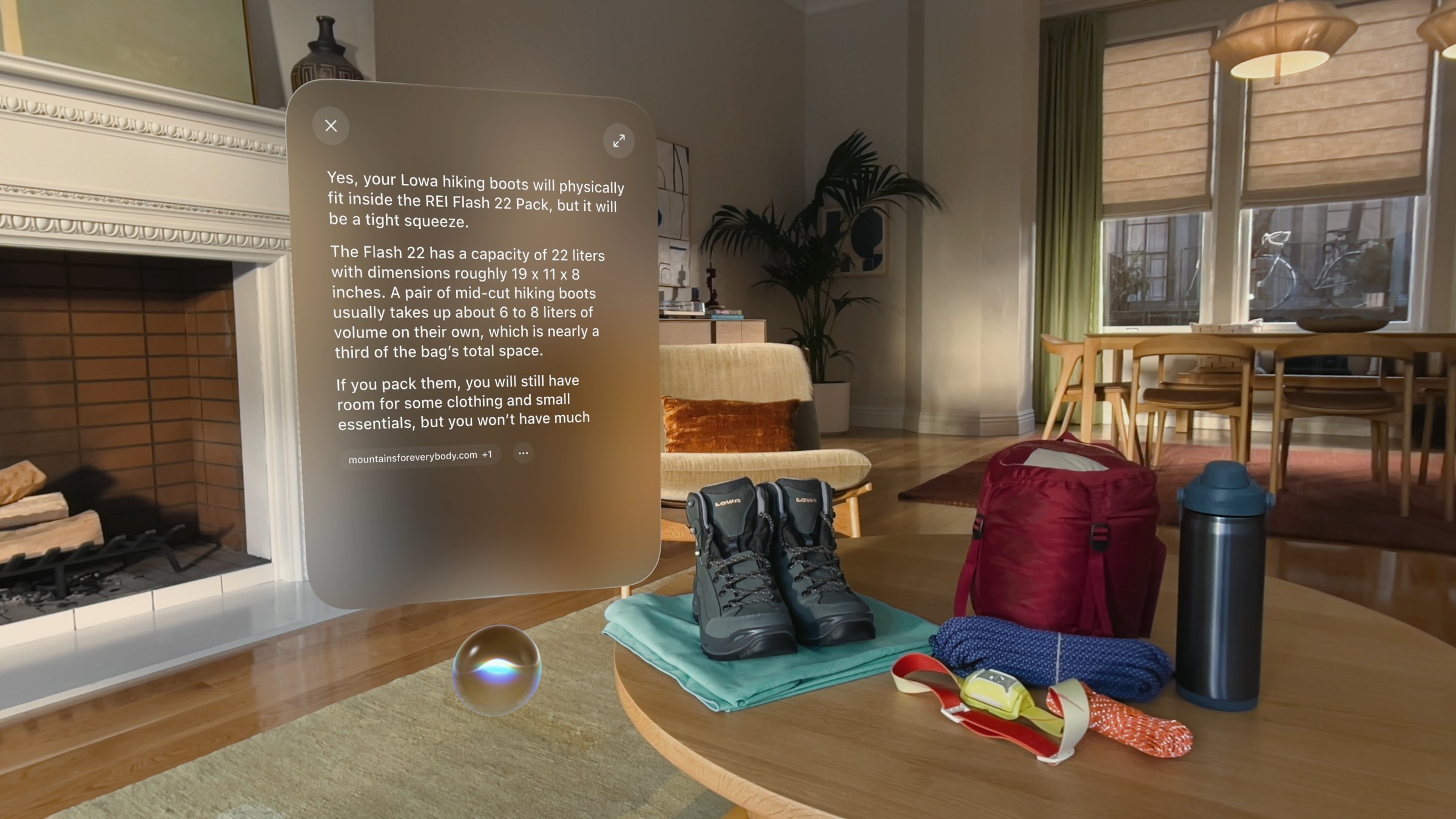
Asking Siri about what you see: the cameras let Siri answer questions about your surroundings, such as identifying a building or suggesting a meal from the ingredients in your fridge.
Directions and translation: walking directions, and translating signs and conversations.
Calls, messages and notifications: phone calls, FaceTime audio, messages and iPhone notifications, plus calendar and reminder features, including visual reminders.
Music and smart home: music playback and controls, and control of smart home accessories. Employees reportedly describe the sound as "industry-leading."
How will the glasses work with iPhone apps?
This is the big idea in the new report. Instead of asking developers to build separate apps for the glasses, Apple wants Siri to control features inside the apps already on your iPhone. The apps run on the paired iPhone, and the glasses act as the way you talk to them.
Gurman says the examples Apple has in mind include booking a restaurant table, requesting a ride, ordering coffee, shopping and buying movie tickets. iClarified, summarising the report, names OpenTable, Uber, Lyft and Starbucks as the kind of apps Apple has discussed internally. Each one only works if the app's developer adds support for those Siri actions.
Apple has already started laying the groundwork. On November 3, 2026, Apple released a Siri AI Developer Preview in the iOS 27.3, iPadOS 27.3, macOS 27.3 and visionOS 27.3 betas. It lets any app expose its actions to Siri through a system called App Intents, so you can ask in your own words and Siri carries out the task, "from checking a delivery to booking a reservation to placing an order," in Apple's words. Apple says App Store submissions for these integrations open in the spring. Gurman reports Apple wants developers ready before the glasses arrive, and that expanded Siri controls for Apple's own apps are due in December.
Will Apple's glasses need an iPhone?
Yes. Under current plans the glasses need a recent iPhone and will not support Android phones, according to Gurman. The iPhone makes up for the glasses' limited processing power and memory.
They will not be completely tethered, though. The glasses reportedly have Wi-Fi, so some features outside third-party apps can keep working without the iPhone nearby. Gurman suggested audio playback could, in theory, continue over Wi-Fi, but the glasses are not meant to be a standalone device.
That is a clear difference from the Gemini-powered glasses arriving this December, which Google says work with Pixel and Samsung phones as well as iPhones.
What do the prototypes look like?
Apple's prototypes, internally code-named N50, are reportedly slightly thinner than Meta's second-generation Ray-Ban glasses. Some test units have oval camera openings built flush into the frame, with no bulging camera housing. A light on the front shows when the glasses are in use or charging, and Apple is said to be testing extra privacy features.
Apple is reportedly working on several styles and colours, with a focus on materials, sensors and audio quality. Testers can charge the prototypes while wearing them using a flat, three-pin magnetic connector, described as "roughly the size of a Tic Tac," that clips on near the end of the left arm. Gurman says it is not certain this charger will make it to the final product.
Inside, the prototypes reportedly run a slimmed-down version of visionOS 28, the software family behind Apple Vision Pro, on a chip derived from older Apple Watch processors, with other custom parts for wireless connections and processing camera images.
How much will Apple's smart glasses cost?
There is no price yet. Apple has not announced the product, and Gurman's latest report does not include pricing. Any figure you see now is a guess.
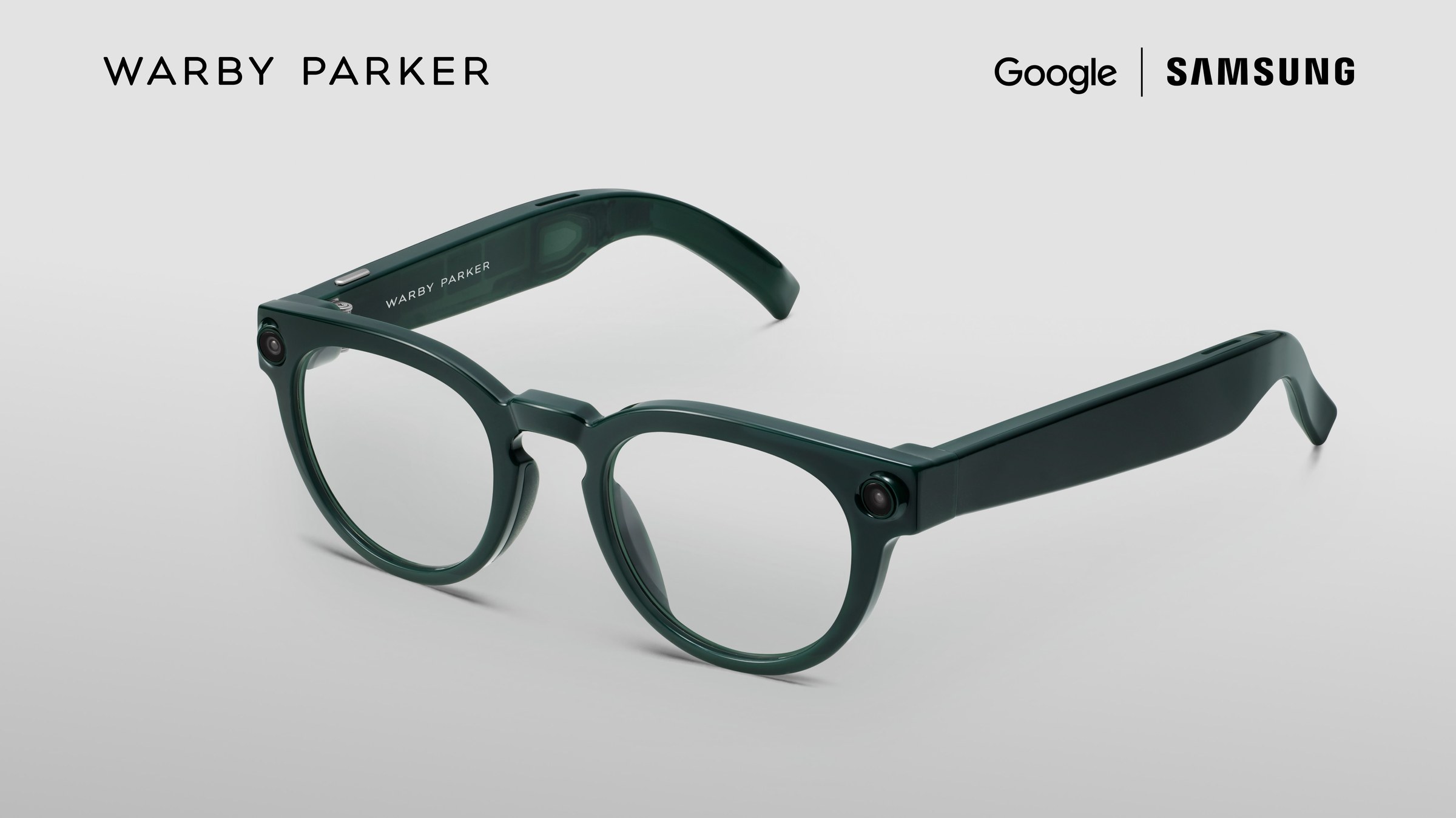
For context, today's camera glasses from rivals sit around $400. Ray-Ban Meta (Gen 2) starts at $379, according to Meta. Google's Gemini-powered Intelligent Eyewear, built with Samsung, goes on sale in the US on December 10, 2026, starting at $395 for Warby Parker frames and $449 to $489 for Gentle Monster frames, according to Samsung.
How do they compare with Meta and Google glasses?
Apple is late to this category. Meta has sold Ray-Ban camera glasses for years, and Google and Samsung open pre-orders for their first Gemini glasses this month. Gurman reports Apple sees its huge library of iPhone apps as its main selling point: if developers add Siri support, the glasses could do useful things from day one.
Google is chasing a similar idea with Gemini, Android XR and its own developer base, as iClarified points out. The difference is reach: Google's glasses work with iPhones too, while Apple's will be iPhone-only, at least at first.
How do the glasses fit with Apple's other devices?
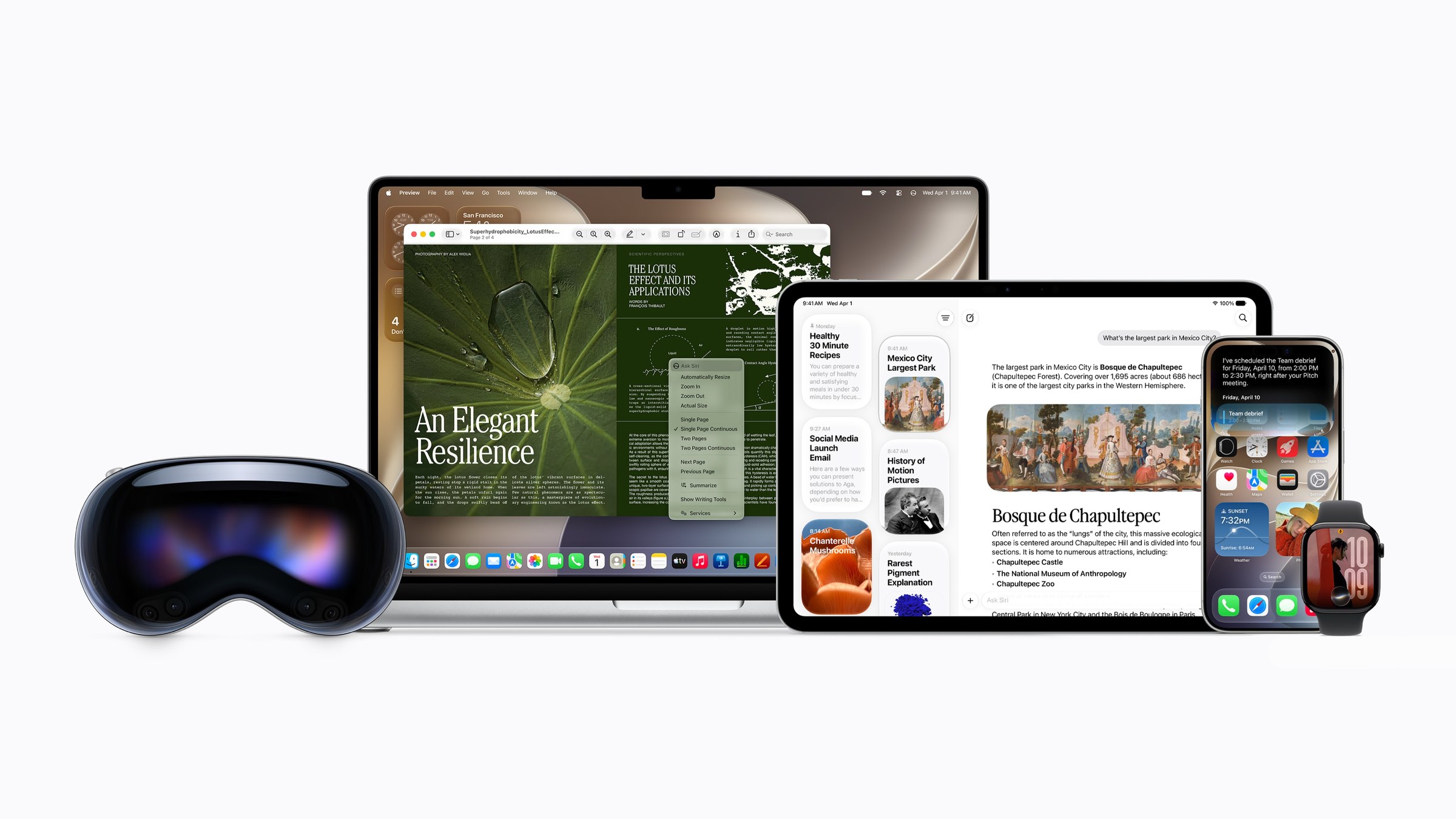
Gurman says Apple wants Siri AI to tie together its next wave of hardware, much as iCloud linked its devices in the early 2010s. That includes the glasses, AirPods with built-in cameras, which he says remain on track for late 2027, and the HomeView smart home display, which went on sale on November 13.
The camera AirPods would also give Siri a view of your surroundings, so the two products overlap. Gurman says the glasses should offer longer battery life and room for more sensors, and Apple sees them as something you could wear all day.
What we still don't know
Plenty. Apple has not confirmed the glasses exist, let alone the name, price, battery life, prescription lens options or which countries get them first. The WWDC 2027 reveal and late-2027 ship date are Apple's internal targets as reported by Gurman, and he says software delays could push them back. We will update this article when there is more to share, or if Apple makes it official.
See more of The Threshold on Google
Add us as a preferred source to see more of our stories in your Top Stories.
Frequently asked questions
When will Apple's smart glasses be released?
According to Bloomberg's Mark Gurman (November 15, 2026), Apple plans to unveil its smart glasses at WWDC in June 2027 and ship them before the end of 2027. Apple has not announced them, and Gurman says software delays could push both dates back.
Has Apple officially announced smart glasses?
No. Apple has not announced or confirmed smart glasses. The details come from Mark Gurman's Bloomberg reporting. Apple has, however, released a Siri AI Developer Preview in the iOS 27.3 beta that lays groundwork for the glasses' app features.
Will Apple's smart glasses have a display?
Reportedly not. Gurman says the first model will not show augmented reality images in the lenses. You will use it through Siri, cameras, microphones and speakers, similar to Ray-Ban Meta glasses.
Do Apple's smart glasses need an iPhone?
Yes. Under current plans they need a recent iPhone and will not work with Android phones. Apps run on the paired iPhone, though the glasses reportedly have Wi-Fi so some features can work without the phone nearby.
How much will Apple's smart glasses cost?
There is no price yet. Apple has not announced the product and Gurman's latest report does not mention pricing. For comparison, Ray-Ban Meta Gen 2 starts at $379 and Google's Intelligent Eyewear starts at $395 in the US.
What can you do with Apple's smart glasses?
Reported features include asking Siri about what you see, walking directions, translating signs and conversations, calls, FaceTime audio, messages, notifications, reminders, music and smart home control. Through Siri, you could also book a table, order a ride or buy coffee in supported iPhone apps.
What is Apple N50?
N50 is the reported internal code name for Apple's smart glasses project. Gurman says the prototypes are slightly thinner than Meta's second-generation Ray-Bans and run a slimmed-down version of visionOS 28.
Will Apple make AirPods with cameras too?
Yes, according to Gurman. He says AirPods with built-in cameras remain on track for late 2027 and, like the glasses, will give Siri information about your surroundings.